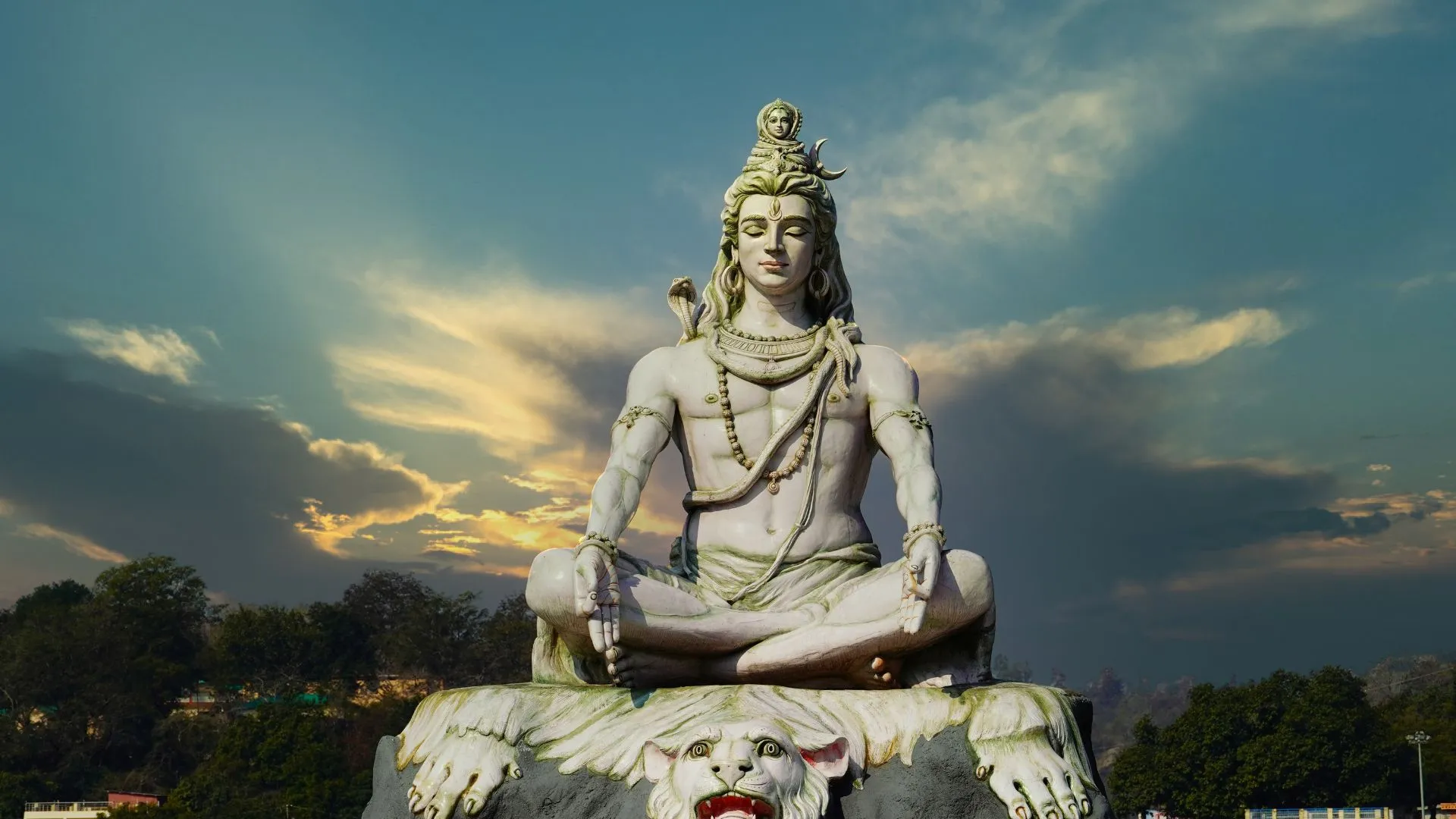
Maha Shivratri is one of the most important Hindu festivals of the year, dedicated to worshiping Lord Shiva—the deity who represents transformation, spirituality, and cosmic balance. This sacred night is observed with fasting, prayer, chanting, and devotion so that you can align your mind and heart with higher spiritual energies.
Celebrated across India and in Hindu communities worldwide, this festival is steeped in mythology, ritual, and mystical symbolism. Whether you visit a temple or perform worship at home, the night is meant to help you focus inward, conquer ignorance, and seek divine blessings through devotion, chanting, and meditation.
Historical & Mythological Roots of Maha Shivratri
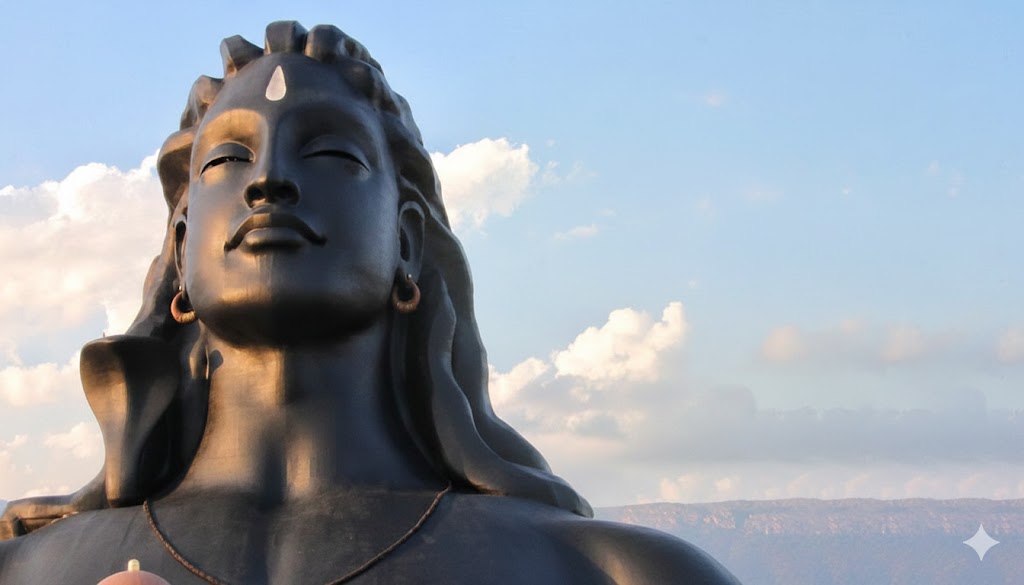
It is not just a date on the calendar—it is wrapped in ancient myths and deep spiritual themes:
- Union of Shiva and Parvati: Hindu tradition holds that Lord Shiva married Goddess Parvati on this night, symbolizing the union of masculine and feminine cosmic forces. This divine marriage is celebrated as a reminder of harmony, companionship, and spiritual partnership.
- Tandava – The Cosmic Dance: Legends tell that Shiva performed the Tandava, the powerful cosmic dance of creation, preservation, and destruction, on the night of Shivratri, reminding devotees of life’s cycles and the impermanence of the physical world.
- Protector of the Universe: Another ancient belief is tied to the Samudra Manthan (churning of the ocean), when Shiva consumed the deadly poison halahala that threatened all of creation. His selfless act saved existence, and on this night, devotees honor him as Neelakantha, the blue‑throated protector.
These powerful stories are part of why Maha Shivratri is observed with such reverence and why millions of devotees engage in spiritual practice on this night.
When Is Maha Shivratri in 2025? (Timing & Auspicious Hours)
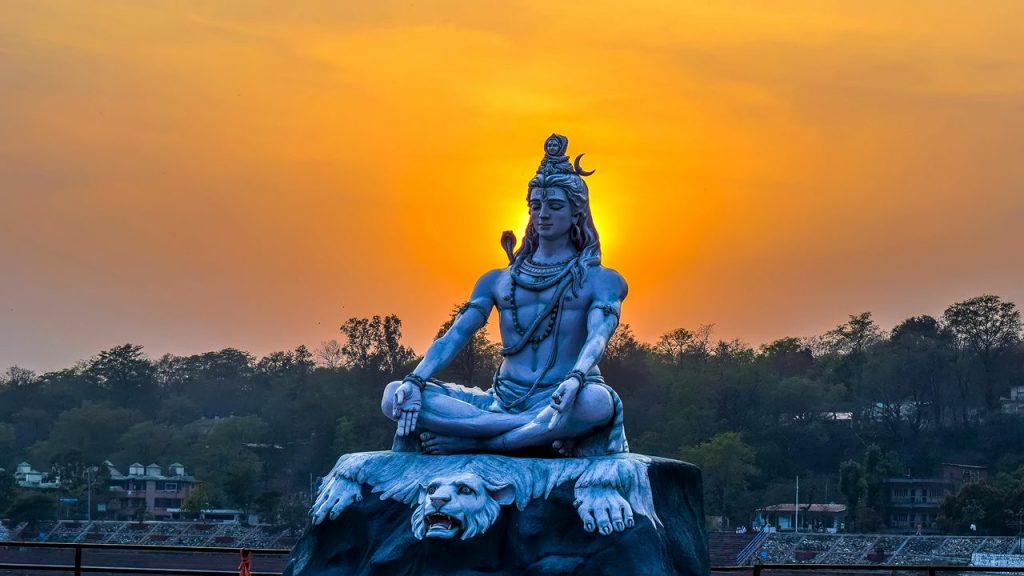
Maha Shivratri in 2026 will be observed on 15 February, according to the Hindu lunar calendar. The sacred observance begins on the night of Chaturdashi Tithi and continues into the early hours of the following morning.
During this holy night:
- Nishita Kaal—the most auspicious time for Lord Shiva worship—falls around midnight. This period is considered the most powerful for deep meditation, Abhishekam, and chanting of Shiva mantras.
- Devotees traditionally perform prayers and rituals during the four prahars (quarters) of the night, with each prahar holding special spiritual significance.
- Since exact timings vary slightly by location, many devotees refer to local panchangs (Hindu almanacs) or temple schedules to follow the rituals during the most favorable hours.
Observing Shivratri with devotion, fasting, and night-long worship is believed to bring spiritual growth, inner peace, and the blessings of Lord Shiva.
Spiritual Significance of Maha Shivratri
Beyond rituals and dates, this festival carries deep meaning:
- Overcoming Darkness & Ignorance: Staying awake through the night reflects your resolve to remain conscious, alert, and spiritually aware, instead of succumbing to distractions or ignorance.
- Purification & Fasting: Many devotees fast, either strictly without water (nirjala) or with sattvic foods, to purify the body and mind and focus on devotion rather than worldly needs.
- Connection with the Divine: Chanting sacred mantras like Om Namah Shivaya and performing abhishekam (ritual bathing of the Shiva Linga) enhance faith, calm the mind, and invite blessings for peace, prosperity, and self‑realization.
These spiritual purposes make this festival not just a celebration, but a chance for inner reflection and uplifting your daily life.
Traditional Rituals & Practices
There are several key traditions observed during Maha Shivratri:
1. Fasting (Vrat)
Devotees choose different fasting practices—from complete abstinence to consuming milk and fruits—to cultivate discipline and spiritual focus.
2. Night Vigil (Jagran)
A hallmark of the night, staying awake in prayer, meditation, or devotional singing symbolizes your dedication to overcoming ignorance and staying mindful.
3. Abhishekam & Offerings
Worshippers offer water, milk, honey, yogurt, bilva (bael) leaves, and other items to the Shiva Lingam, each holding symbolic meaning. These acts of devotion are believed to clear negativity and invite divine grace.
4. Temple Visits & Community Worship
Many visit famous Shiva temples like Kashi Vishwanath, Somnath, or Kedarnath, creating a shared, sacred atmosphere of chanting and prayer. Even at home, sacred chants and simple offerings make the night meaningful.
Important Mantras to Chant on Maha Shivratri
Chanting mantras is a key part of Maha Shivratri rituals, as it helps focus your mind, invoke Lord Shiva’s blessings, and deepen your spiritual connection. Here are some of the most popular mantras:
1. Om Namah Shivaya
This is the most widely chanted mantra on Maha Shivratri. It means “I bow to Lord Shiva” and is believed to purify the mind, remove negativity, and attract divine blessings. You can repeat it during meditation, prayer, or while performing abhishekam.
2. Maha Mrityunjaya Mantra
Om Tryambakam Yajamahe Sugandhim Pushtivardhanam |
Urvarukamiva Bandhanan Mrityor Mukshiya Maamritat ||
Also known as the Death-Conquering Mantra, it invokes Lord Shiva for protection, healing, and long life. Chanting this mantra during Shivratri is said to cleanse negative karma and bring spiritual strength.
3. Rudra Gayatri Mantra
Om Tatpurushaya Vidmahe Mahadevaya Dhimahi |
Tanno Rudrah Prachodayat ||
This mantra is dedicated to Lord Rudra (a form of Shiva) and is chanted to seek wisdom, spiritual clarity, and guidance. It’s particularly powerful when recited during the night vigil (Jagran).
4. Shiva Panchakshari Mantra
Na Ma Shi Va Ya
This five-syllable mantra is another version of Om Namah Shivaya, easy to remember, and is powerful for meditation and chanting in groups or individually.
Tips for Chanting on Maha Shivratri:
- Use a rosary (mala) of 108 beads to count your recitations.
- Maintain sincerity and concentration, as devotion matters more than the number of repetitions.
- Combine chanting with offering bilva leaves, lighting lamps, or performing abhishekam to enhance the spiritual effect.
By chanting these mantras with focus and devotion, you invite peace, clarity, and Lord Shiva’s blessings into your life.
Symbols & Their Meanings
Several symbols are central to the Shivratri:
- Shiva Linga: Represents Shiva’s infinite, formless essence.
- Bilva Leaves: These leaves are revered for their spiritual significance and are believed to absolve sins when offered with sincerity.
- Mantras: Chanting sacred vibrations like Om Namah Shivaya fosters focus, clarity, and devotion.
These symbolic acts help deepen your connection to the divine and provide spiritual fulfillment.
How Maha Shivratri Is Observed Around the World
Although rooted in India, Maha Shivratri has global reach. Hindu communities in Nepal, Mauritius, the United States, Malaysia, and beyond hold prayers, fasts, and night vigils to honor Lord Shiva. Major temples abroad also host rituals and cultural programs for devotees to participate collectively.
Whether you observe it at a local temple or in your home prayer space, the night offers a chance to feel part of a worldwide spiritual community.
Benefits of Observing Maha Shivratri
Observing Maha Shivratri offers several spiritual, mental, and emotional benefits:
- Mental Peace & Inner Balance: Fasting, meditating, and chanting Shiva mantras help calm the mind, reduce stress, and create a sense of harmony.
- Spiritual Growth & Self-Awareness: Introspection during the festival allows you to evaluate your actions, let go of negative habits, and strengthen your connection with the divine.
- Reduction of Negative Karma: Rituals like Abhishekam, offering bilva leaves, and chanting mantras are believed to cleanse past mistakes and purify the mind.
- Renewal & Self-Discipline: Fasting and staying awake cultivate control over desires, patience, and commitment to higher goals.
By observing Maha Shivratri sincerely, you invite peace, clarity, and divine blessings into your life.
Common Misconceptions
Despite being widely celebrated, Maha Shivratri is often misunderstood:
- The festival is not just about fasting; the deeper purpose lies in spiritual reflection and devotion.
- Staying awake the entire night is recommended but not mandatory; sincerity matters more than duration.
- The festival can be equally meaningful if observed at home rather than in temples.
- It is accessible to everyone, regardless of age or level of spiritual knowledge.
Understanding these misconceptions ensures a more fulfilling and mindful celebration.
Wrapping Up
Maha Shivratri is far more than a festival—it’s an occasion to seek inner calm, deepen your spiritual practice, and honor the eternal presence of Lord Shiva in your life. With fasting, chanting, meditation, and devotion, the night offers you a unique opportunity to purify your mind, embrace peaceful intentions, and invite blessings of wisdom and well-being. As you observe this sacred night, may your heart be filled with clarity, balance, and divine grace.
Frequently Asked Questions (FAQs)
Q1: What is the real significance of Maha Shivratri?
It is a sacred night dedicated to Lord Shiva, symbolizing the triumph of light over darkness and knowledge over ignorance.
Q2: How should I prepare for the fast?
You can fast completely or consume fruits and milk. Set up a prayer area with a Shiva Linga, gather offerings, and maintain focus and devotion throughout the night.
Q3: Which mantras are key to chant?
Om Namah Shivaya is most common, along with the Maha Mrityunjaya Mantra for spiritual protection and blessings.
Q4: Is it necessary to stay awake all night?
No, the essence is devotion and mindfulness, not strictly staying awake. Even partial observance is spiritually beneficial.
Q5: Can it be celebrated at home?
Yes, home worship with offerings, chanting, and meditation is considered equally powerful when performed with sincerity.